
At the studio
Planning a private pottery event for six to eighteen people
Turn an idea for a birthday, team gathering, or afternoon with friends into a clear event inquiry, with realistic timing and a shared plan.
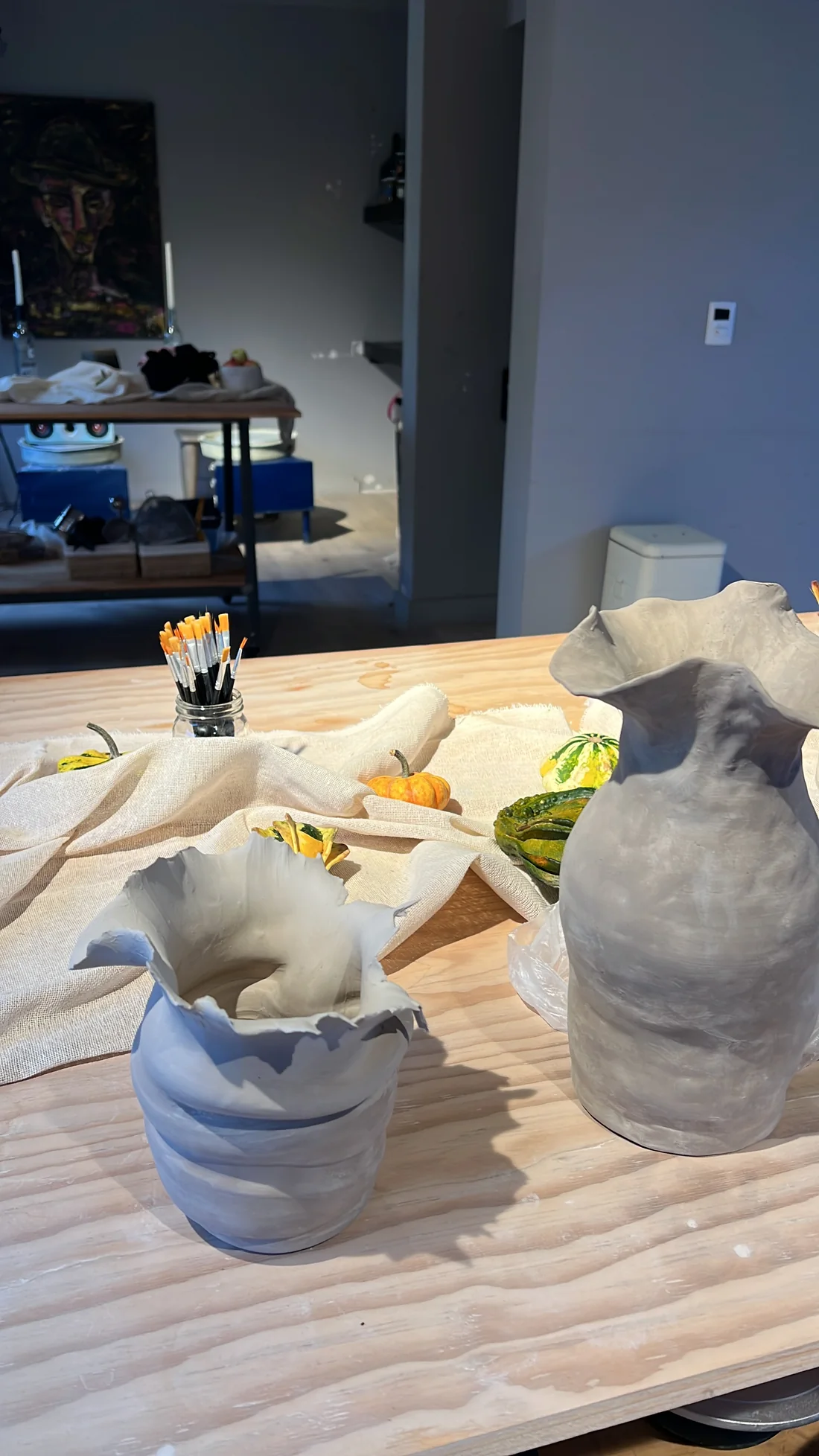
Start with the people and the occasion
A private pottery event gives a group a reason to sit together, work with their hands, and try something unfamiliar. Begin by deciding who is coming and what you want the time to feel like. A quiet gathering of friends, a birthday, and a team activity may all involve clay, but their practical needs can differ.
Cielina’s private-event inquiries are for groups of six to eighteen people. Share your expected number and explain whether it is settled or still changing. Choose one organizer to coordinate details with the studio. A single point of contact makes it easier to keep the date, attendance, and questions in one conversation.
Bring a few possible dates
Choose a preferred date and time, then list useful alternatives. Include times that definitely will not work. If the group is visiting Querétaro or coordinating around another event, explain the fixed part of the schedule first. The studio can respond more clearly when it knows which details are flexible.
Do not assume a private event can be booked into an ordinary class by reserving all the visible places. Private groups use a separate inquiry and need their own agreement on timing, activity, and price. A date entered in the form is a preference until the studio explicitly confirms it.
Describe the activity without overplanning the result
Explain what attracts the group to pottery. Some people may want to try the wheel; others may be more interested in shaping a personal object by hand. Share those interests and ask what format fits the group, the time available, and the studio’s setup. Let the instructor help translate the idea into a manageable session.
Avoid promising every guest an identical finished object before discussing the project. Beginners learn at different speeds and handmade pieces vary. A shared direction can still leave room for individual choices. For example, agreeing on small personal vessels may give the gathering a common theme without making everyone reproduce the same shape.
Make the pricing conversation concrete
Private events cost MX$950 per person for groups of six to eighteen. This includes three hours of instruction, materials, snacks and drinks. The studio finishes the pieces, which are collected ready three to four weeks later. Share your group size and preferred dates so the studio can confirm availability and the final arrangements.
Before committing, discuss payment timing, changes in group size, cancellations, and any other conditions. A regular single-class policy should not be assumed to cover a private event. Keep the final agreed details together so the organizer and studio are working from the same understanding.
Use the call to resolve the practical details
The event form asks for preferred consultation-call times. Offer a few periods when the organizer can talk, and include the best contact method. Sending the form requests a conversation; it does not automatically schedule the call or confirm the event. Wait for the studio to agree on those arrangements.
Prepare the questions that affect participation: teaching language, ages, seating or access needs, arrival instructions, and what guests should wear. Snacks and drinks are included. Discuss dietary needs, decorations or other additions before planning them, and confirm the exact arrangements with the studio. Do not assume that a particular drink, menu or extra service is included.
Plan what happens after the gathering
The studio finishes the pieces after the gathering, and they are ready for collection three to four weeks later. Confirm how finishes are chosen, the collection date, and who will coordinate it. If the organizer will collect for everyone, confirm that arrangement and how each piece will be identified. Visitors should share departure dates early.
Once the event is confirmed, send the group one clear set of details: where and when to arrive, the agreed activity, what to bring, and what to expect afterward. Leave the rest of the experience open. A well-planned gathering gives people enough certainty to relax and enough freedom to enjoy making something their own.
Give the organizer a short, useful brief
A good event brief can fit in a few sentences. Say who is gathering, the expected number of people, two or three possible dates and what you hope the group will experience. For example, you might want a relaxed introduction for friends with different levels of experience, rather than a session built around one complicated finished object. Describe the atmosphere and practical constraints before choosing an ambitious project.
Include the times that will not work as well as the ones you prefer. Tell the studio how and when you can take a planning call. If the group needs a particular instruction language or an adjustment to participation, raise it early so the studio can respond to the actual need. Snacks and drinks are included in the confirmed event offer. Ask about dietary needs, specific refreshments, decorations or other additions rather than inferring a particular menu or service from a photograph.
After the call, gather the agreed details in one place: group size, date, start and end time, activity, price, what is included and what remains to be confirmed. Ask about the payment arrangement and the event’s own change or cancellation terms. The regular single-class policy does not automatically settle the conditions for a private event, and an inquiry is not a confirmed booking.
Choose one person to coordinate updates with the studio and share the confirmed plan with participants. Include what to wear, when to arrive and how any finished work will be collected. If the group size changes, tell the studio before inviting more people. Clear communication lets guests focus on making while the organizer knows which practical details have actually been agreed.