
Care & safety
Taking pottery home from Querétaro: plan the piece and the journey
Questions to ask before a class, what to confirm before collection, and how to think through packing a finished ceramic piece for travel.
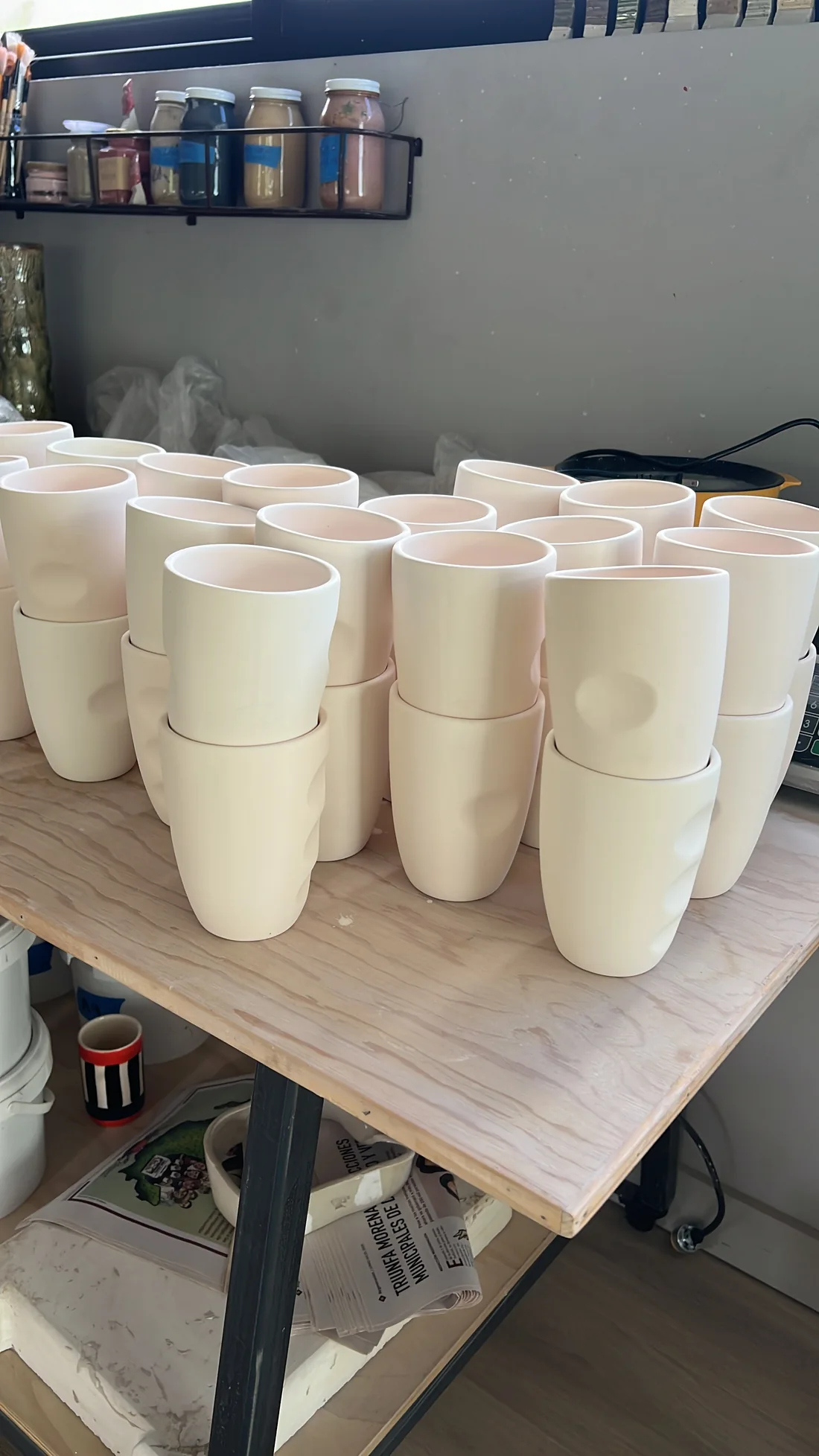
Start with your departure date
A pottery class can be a memorable part of a visit to Querétaro, but the piece you shape may not be ready to leave with you that day. Drying, firing, finishing, and cooling take place on the studio’s schedule. Tell the studio when you arrive and when you leave before choosing a class around a take-home project.
Make the question concrete: “I leave on this date; what collection options could realistically work?” That is more useful than asking whether pottery is usually ready quickly. The answer should be based on your class and the studio’s current process. Do not arrange your final day around an unconfirmed estimate.
Separate the experience from the collection plan
Decide what matters most to you. You may want the experience of learning with clay even if you cannot collect a finished object during the trip. Or taking your own piece home may be essential. Explain that preference early so the studio can tell you whether the available arrangement fits.
If the timetable does not work, ask about the gallery of already finished pieces. Buying finished work and making a piece in class are different experiences, but either may suit your visit. Confirm actual stock and collection details before relying on a gallery purchase; a display example is not a promise that a particular object is available.
Confirm who will collect it and when
Before your class ends, verify the contact details attached to your work and how collection will be arranged. Ask whether the studio permits collection by another person, how that person would identify the piece, and whether a storage deadline applies. These are details to agree, not services to assume.
Shipping needs its own confirmation. Ask whether it is offered for your destination, who arranges it, what packaging is used, and what costs or terms would apply. Cielina’s shipping arrangements are still being decided, so a class inquiry should never be treated as a delivery agreement. A friend’s travel plan is also not a collection plan until everyone involved has agreed.
Pack for the shape, not just the size
Once you have the finished piece, look at its vulnerable areas: a thin rim, an extended handle, a narrow neck, or a separate lid. Choose packaging that supports the main body and prevents movement without pressing hard on delicate parts. Two objects that fit in the same box still need separation so they cannot knock together.
Ask the studio to help you assess the packing needs before you leave. For example, a low bowl and a tall handled vessel may require different supports even if they weigh the same. Do not use a handle as the point that carries the object’s weight, and do not force the piece into a space that only fits after pressure is applied.
Think through the whole route
Packing for a short car ride is different from packing for several transfers and an airport. Consider who will handle the bag, where it will be set down, and whether heavier items could press against the ceramic. Keep the package accessible enough to inspect or repack when needed, rather than burying it beneath everything else.
For air travel, check your carrier’s current baggage conditions and any applicable travel rules directly before departure. The studio cannot promise what an airline will accept or how a bag will be handled. Leave room in your plans for the actual packed object, including its cushioning, rather than measuring only the bare piece.
Unpack with the same care at home
Clear a stable surface before opening the package. Remove wrapping slowly, keeping separate lids or small parts supported. Avoid lifting the object by the first feature you uncover. Once it is out, inspect it and keep the maker’s care information somewhere you can find again.
A good travel plan starts before the first handful of clay, not at the moment you close your suitcase. Confirm the timing, agree on collection, and choose packaging around the finished shape. That leaves more room to enjoy both the class and the object that reminds you of it.
Make a collection plan that survives a change of itinerary
Write down two separate dates: when you can attend the class and when you leave Querétaro. Tell the studio both before deciding how to handle the finished work. Ask what happens if your piece is not ready during that interval. A satisfying class and a realistic collection plan can coexist, but one does not automatically solve the other. Do not build a travel schedule around an unconfirmed firing estimate.
If someone else may collect the piece, ask what authorization or identifying details the studio needs. Agree on who will receive the collection message and who will bring suitable packaging. Share only the information needed for that arrangement. A friend knowing that you attended a class may not be enough for staff to identify the correct object or release it to them.
When planning transport, consider every handoff rather than only the final journey. Will the package spend time in a car, move between hotels or be carried with several bags? Explain the shape and any fragile projections when asking the studio for packing guidance. Confirm any carrier requirements directly before relying on them; the studio’s ability to wrap a piece does not establish a delivery or insurance service.
If your itinerary changes, contact the studio with the piece identifier and the new collection plan. Ask about storage arrangements instead of assuming indefinite holding. Keep the agreement with your other travel notes. The aim is to leave with a clear next step even when the object itself needs to remain in the studio longer than you do.